Sources checked 4 November 2026 · Check your selected date with the provider
Some links are affiliate links. We may earn a commission on qualifying bookings at no extra cost to you. This does not determine your price or guarantee availability.
Choose the experience before choosing the season
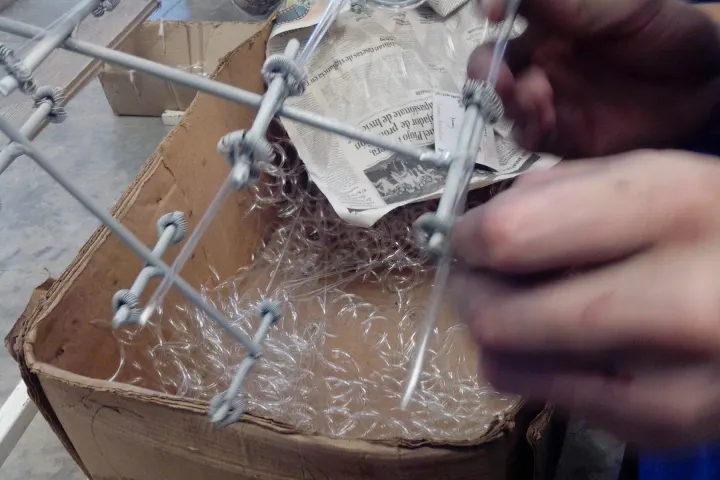
Ornament-making is a year-round craft, so a visit does not have to be restricted to December. A demonstration still needs an appointment or current visitor arrangement, and a shop’s selection can vary. If your priority is understanding glass production, ask the workshop about the visit you want rather than selecting a date only for its festive reputation. If your priority is a named public celebration, the official programme becomes the starting point instead.
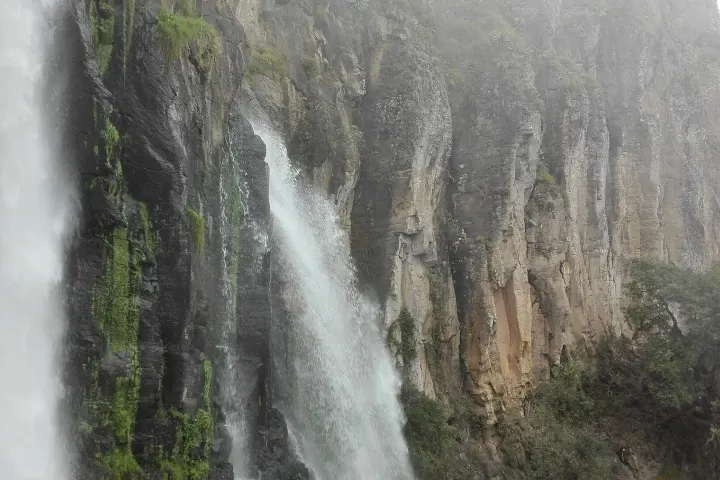
Outdoor interests require a different approach. The lagoon, a canyon view in Zacatlán and a stepped waterfall route respond differently to rain and visibility. Thermal facilities also have their own operating and admission arrangements rather than a universal weather-proof guarantee. The first-time guide helps choose the trip’s main purpose, while the shopping-season guide separates production, retail atmosphere and dated events.
Pack for the highlands rather than a generic Mexico holiday
Official tourism information places Chignahuapan in the Sierra Norte highlands, at roughly 2,280 metres. A visitor arriving from a warmer part of Mexico should not assume the same clothing will suit a cool evening or damp outdoor stop. A layer, light rain protection and comfortable footwear are useful starting points. The exact forecast and your activities determine the final packing, not a national stereotype of constant heat and sunshine.
An overnight stay adds practical questions about the room. Ask about bedding and any heating arrangement important to your comfort rather than assuming every hotel or cabin has the same system. For thermal visits, keep a dry change of clothes separate from swimwear. For waterfall walking, choose footwear for grip and the actual surface. The accommodation guide and the waterfall guide connect those choices with the experience you are booking.
Read the correct forecast and understand its limits
The Servicio Meteorológico Nacional provides a municipal forecast channel. Select Puebla and Chignahuapan rather than using Mexico City’s forecast as a substitute. Check again closer to the journey, especially when an outdoor route is the main purpose. A saved forecast from the week you booked is not the forecast for the day you travel. If your route includes Zacatlán or a different regional site, consider the conditions relevant to that location as well.
A forecast describes expected weather, not the condition of a particular path, bridge or road. Ask the responsible operator about current access and follow any restrictions at the site. A sunny interval does not automatically make a previously wet stepped route suitable for every visitor. Likewise, cloud does not mean every town activity must be cancelled. The useful decision is activity-specific: adapt the outdoor outing while retaining a worthwhile craft, cultural or food visit when it is available.
Build a rain plan that still belongs to Chignahuapan
A confirmed workshop visit, a meal and appropriate cultural interiors can make a satisfying day when outdoor views are less appealing. Do not assume that every indoor place is open or that a church can be used as an unrestricted shelter. Arrange the experiences that matter and keep the rest flexible. A private itinerary can be helpful when the operator agrees to alternatives, but the cancellation or rerouting terms should be clear before payment.
For an overnight stay, exchanging the order of two days can be more effective than trying to force a waterfall visit into poor conditions. Use the town and craft on one day and reserve the outdoor block for the better available opportunity, without promising a perfect forecast. The two-day plan and the three-day plan are designed as modular routes. Their flexibility is a practical benefit of staying longer, not a guarantee that every activity will become possible.
Treat festival dates as evidence for a specific year
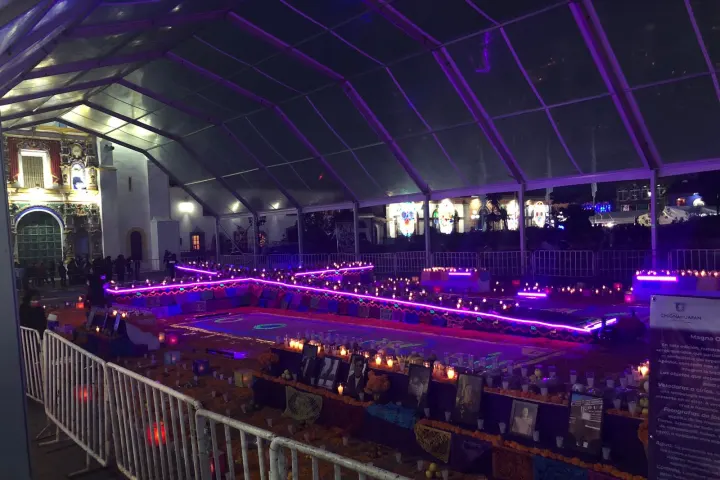
Chignahuapan’s Luz y Vida programme and other local events should be planned from dated official announcements. The last verified Luz y Vida edition in this guide had already ended at our source check; we do not roll its dates forward into an invented future calendar. A festival can affect room demand, movement and the evening schedule, but a past attendance forecast does not establish actual crowd numbers or present hotel availability.
Use the festival guide before committing to a restrictive booking. If an event is essential, identify the date, performance and entry arrangement first. If it is optional, choose accommodation and transport terms that allow you to enjoy a normal town visit even if the programme does not match your dates. Zacatlán’s celebrations have their own calendar and should not be used as evidence that Chignahuapan’s event is still running.
Balance atmosphere, availability and your own pace
A busy shopping or event period may provide the atmosphere you want, but it can also make a short visit less flexible. A quieter-looking date may suit careful craft browsing, yet still require an arranged demonstration and current restaurant information. We do not promise that weekdays are empty, that one month always has the lowest prices or that a particular season guarantees clear canyon views. Those broad claims are less useful than the actual bookings and conditions.
Your group’s preferences matter too. Families may value a predictable meal and shorter outings more than an elaborate seasonal programme. Travellers with access needs may prefer a route with fewer crowded transitions. A photographer may want time to respond to changing light rather than a tightly scheduled circuit. Family planning and access planning help turn those preferences into an itinerary, instead of treating a destination-wide “best time” label as the answer.
Make the final decision with current information
Before departure, review the forecast, any dated local notices, your workshop or facility arrangements and the road journey. Keep the return realistic and know which activity can be dropped or replaced if conditions change. Pack for the actual combination of town, water and walking. A small adjustment made before leaving the hotel can be easier than trying to rearrange transport from a remote attraction with limited information.
The trip planner organizes your origin, interest and time, while the quote guide helps compare cancellation and rerouting terms as part of the purchase. Weather is one factor in a complete visit, not a reason to invent certainty. Chignahuapan offers several different experiences; choosing a coherent combination and leaving room for conditions is a better strategy than searching for a month that supposedly guarantees all of them at once.
Chignahuapan’s climate in numbers
Federal tourism information describes Chignahuapan’s climate as semi-cold, with a mean annual temperature of about 12 °C, and recommends warm clothing in winter. The town sits at roughly 2,280 metres, so even a sunny day can turn chilly once the sun drops behind the hills. Modelled climate data from WeatherSpark put the coldest days around mid-January, with a typical range of roughly 5 to 19 °C; clear winter nights can feel colder than that headline suggests, especially by the lagoon.
Rain follows the central-Mexico pattern of a summer wet season. The same model shows the chance of a wet day peaking in early July and reaching its lowest point in late December. In the wet months, afternoon showers and mist are part of the Sierra Norte experience: beautiful at a canyon viewpoint, less pleasant on stone steps.
↔ Swipe or scroll sideways to compare all columns.
| Season | Typical conditions | Good for | Watch out for |
|---|---|---|---|
| December–February | Driest, coolest; cold mornings and nights | Ornament shopping, thermal pools, clear views | Low night temperatures; pack a warm layer and sleepwear |
| March–May | Warmer days, still dry for much of the season | Waterfall walks, Zacatlán canyon views | Strong midday sun at altitude |
| June–September | Wet season; showers and mist most likely | Green landscapes, fuller waterfalls | Slippery steps, fog on mountain roads |
| October–November | Rains easing, cool evenings | Day of the Dead, Luz y Vida, start of ornament season | Festival nights fill hotels; book early |
Calendar dates that change the town
A few dates have a clear effect on crowds and room demand. The patron festival of Santiago Apóstol on 25 July brings a procession and fireworks to the centre. The Festival de la Luz y de la Vida ran 30 October–2 November in 2026, when organisers expected hotel occupancy close to 100%. The Feria del Árbol y la Esfera has recently been held in late November and early December (about 21–30 November in 2025). December weekends are busy with ornament shoppers.
If you prefer a quieter visit, an ordinary weekday outside those periods usually leaves more room in shops and restaurants, although we do not promise empty streets. Combine this guide with the shopping-season guide for the ornament calendar.
- 25 July – Fiesta de Santiago Apóstol (patron saint).
- Late October–early November – Day of the Dead and Luz y Vida (30 Oct–2 Nov in 2026).
- Late November–early December – recent Feria del Árbol y la Esfera editions.
- August, in Zacatlán – Feria de la Manzana, held every August since 1941.
Questions before you go
Is December the only worthwhile time?
No. Ornament-making is year-round and the town, lagoon and thermal facilities offer other reasons to visit. Specific demonstrations and events still need current arrangements.
Should I use the Puebla city forecast?
Use the official municipal forecast for Chignahuapan and the locations on your route. A gateway city forecast is not a substitute for the Sierra Norte destination.
Can a weather forecast prove the waterfall is safe to enter?
No. It does not establish the condition of a particular path. Follow current site restrictions and the responsible operator’s route information.
Are next year’s festival dates confirmed?
Not by the sources used here. Use a dated official announcement for the intended year before booking around the event.
How cold does it get at night?
Chignahuapan is at about 2,280 metres with a mean temperature near 12 °C. Winter nights are cold, so bring a warm layer and check room heating.
When is the rainy season?
Roughly the summer months; modelled data show the chance of rain peaking in early July and lowest in late December.
Sources & editorial notes
Our bibliography distinguishes official tourism descriptions, dated event announcements, craft-protection documents and provider listings. A source check is dated evidence, not a live opening-status guarantee.
- Secretaría de Turismo, México: Chignahuapan, Puebla ↗
- Servicio Meteorológico Nacional / CONAGUA: Pronóstico del tiempo por municipios ↗
- Instituto Nacional de Antropología e Historia: Esferas, la colorida magia del vidrio soplado ↗
- Secretaría de Turismo, México: Chignahuapan espera 85 mil visitantes por el 30 aniversario del Festival de la Luz y de la Vida ↗
- WeatherSpark: Clima promedio en Chignahuapan ↗
- N+ (Nmas): Cartelera de la Feria del Árbol y la Esfera Chignahuapan 2025 ↗
- Wikipedia: Zacatlán ↗