Sources checked 4 November 2026 · Check your selected date with the provider
Some links are affiliate links. We may earn a commission on qualifying bookings at no extra cost to you. This does not determine your price or guarantee availability.
One town, several different experiences
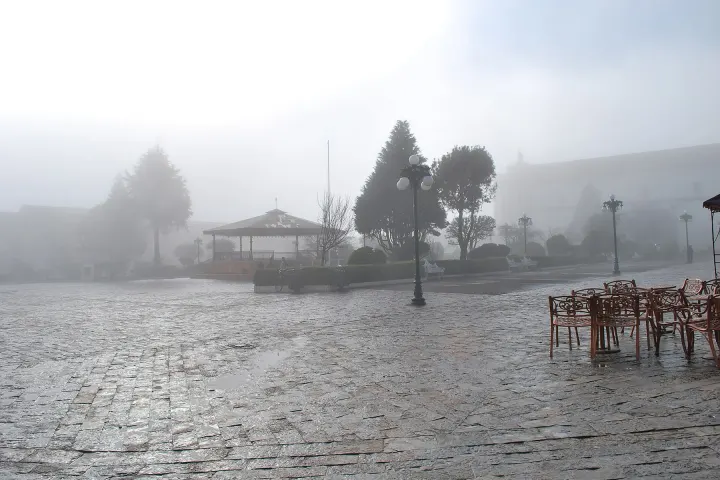
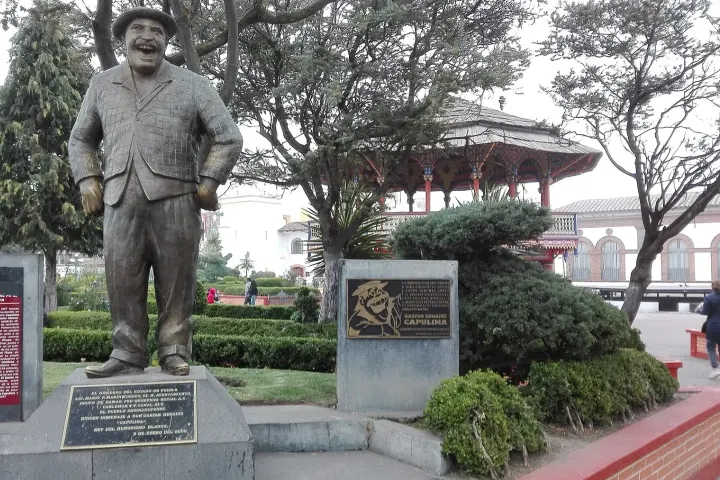
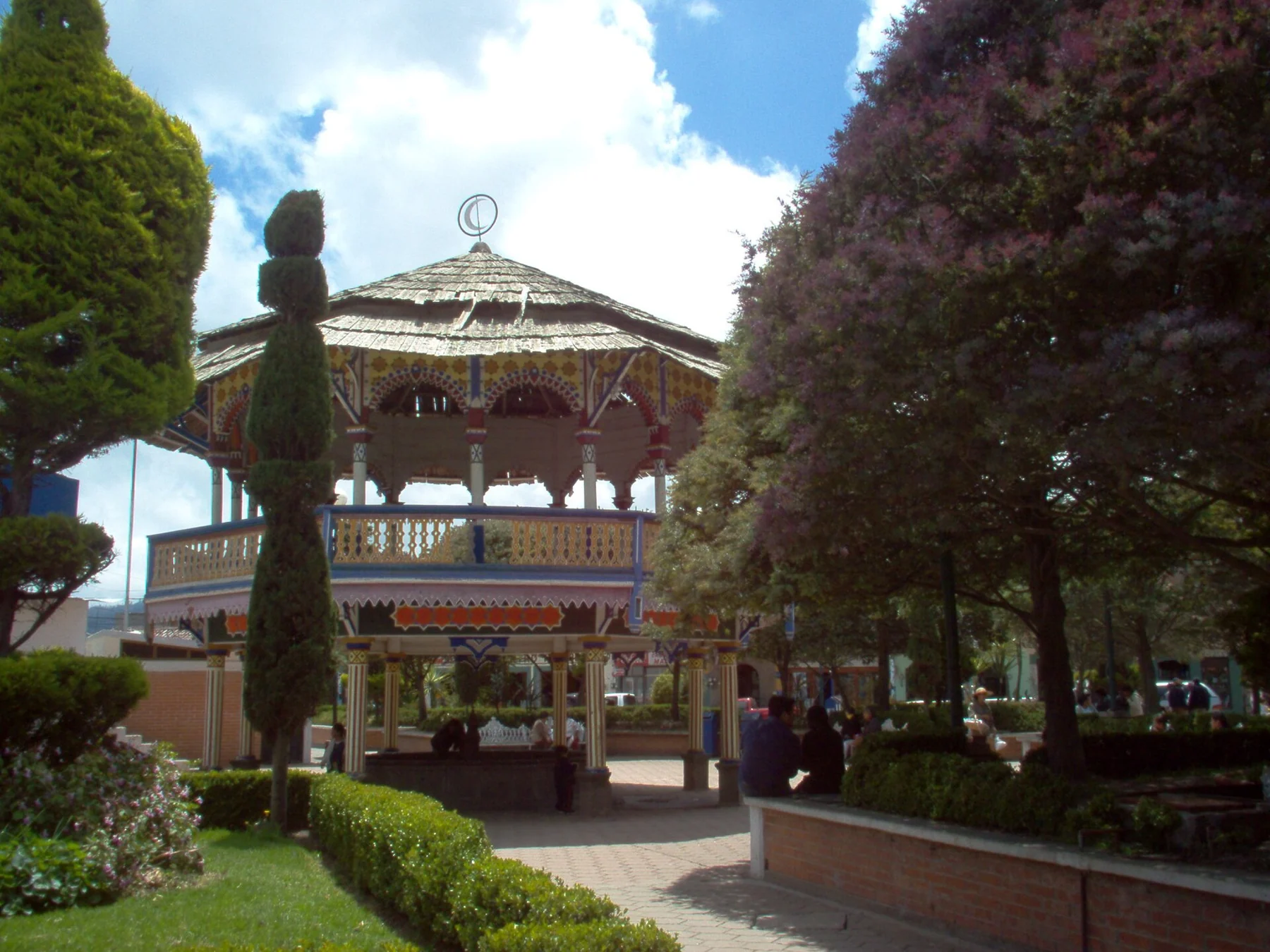
The historic centre is the easiest starting point for a first visit. The plaza, Mudéjar-style kiosk, parish and shops belong to a town walk; the Basilica of the Immaculate Conception is another important religious stop. These sights work well alongside an ornament visit, but a short group-tour stop rarely gives you unlimited time to browse. Decide whether you are primarily sightseeing, choosing a few gifts or buying several boxes before accepting an itinerary.
The lagoon, also called Laguna de Almoloya, is not the thermal swimming complex. Hotel y Aguas Termales de Chignahuapan is in Tenextla and needs its own arrival plan. Quetzalapan is a separate waterfall outing, while Zacatlán is another town with its own identity. The most common planning mistake is to treat all of these as neighbouring stops that can be added without changing the day. Our two-town comparison explains the difference.
Choose your starting city before choosing a tour
Puebla and Mexico City are not interchangeable departure labels. A Puebla excursion can collect passengers at a central meeting point or, on selected private products, at a hotel. A Mexico City departure starts farther away and makes the road journey a larger part of the experience. Check the actual meeting address, return location and included transport before comparing the headline tour price. Travelling independently to Puebla to meet a tour is an additional journey.
For visitors already staying in Chignahuapan or Zacatlán, a local driver or a walking tour may solve a much smaller problem. There is little benefit in buying a distant-city circuit merely because its title contains the right town name. A three-hour Zacatlán walk does not supply a Chignahuapan transfer unless that service is specifically added. Use the arrival guide to decide which type of journey you actually need.
Give glass-making more than a shopping stop
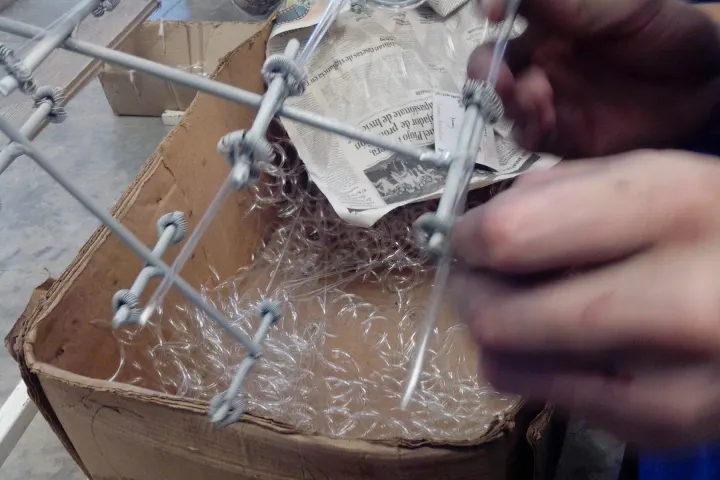
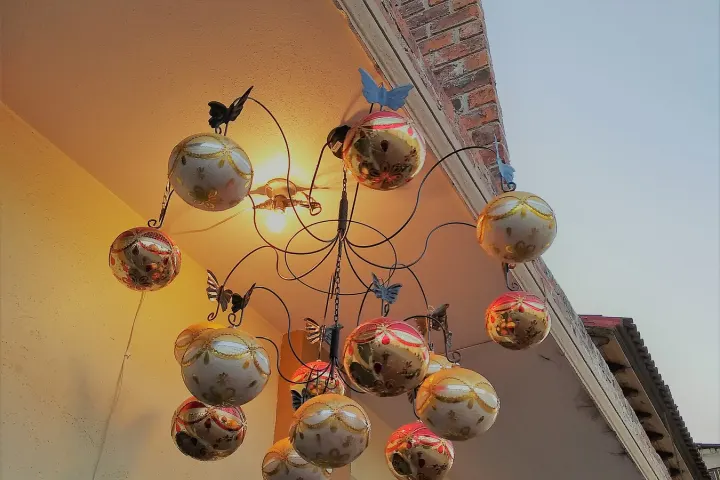
The ornament tradition involves shaping glass, adding finishes, decorating and assembling fragile pieces. Mexico’s geographical-indication declaration documents this production in the municipality. That does not mean every object on every shop shelf is handmade glass: local retailers and manufacturers may also sell plastic ornaments and other decorations. Asking about the material, maker and place of production is a useful conversation, not an accusation. Choose pieces for their workmanship and for how you will carry them home.
A factory shop, a viewing-window visit, a live demonstration and a hands-on decorating activity are different experiences. If the process matters to you, arrange the visit around the demonstration rather than assuming someone will be blowing glass whenever a retail door is open. Bring children into the planning too: the most useful viewing position may be behind a barrier. The workshop guide helps you ask for the experience you want without promising access to a working furnace.
One day or an overnight stay?
A day trip can work well when the brief is narrow: one confirmed workshop, the centre and a meal, or a guided circuit that intentionally samples both towns. It becomes less satisfying when thermal pools, a substantial waterfall walk and a long shopping list are attached to the same schedule. A tour may include many stops because each is short. Read the sequence and likely time on site, not just the number of attractions in the description.
One night gives you an arrival afternoon and another morning, which can make a town-focused visit calmer. Two nights let you separate craft and town time from thermal relaxation or a Zacatlán outing. Choose the hotel around the next morning’s activity: central shopping, a lagoon setting and a thermal stay are different priorities. Our two-day plan uses an overnight stay to improve the experience rather than simply stretch a checklist.
Prepare for a highland town
Chignahuapan’s elevation and mountain setting make a layer useful even when your broader Mexico itinerary is warm. Rain, cool evenings and reduced visibility can change the appeal of an outdoor stop. Pack footwear that is comfortable on uneven surfaces, a light waterproof layer and a small bag that leaves your hands free. For a waterfall visit, the return climb matters as much as the descent. For thermal waters, pack a separate wet bag and dry clothes.
Use the official municipal forecast for Chignahuapan rather than the weather in Mexico City or Puebla as a substitute. A town forecast still cannot establish the condition of every waterfall path or the visibility at a canyon viewpoint. Keep a useful indoor alternative: craft shopping, a meal or a cultural visit that is actually open. Seasonal planning is about matching the day to conditions, not finding a month that guarantees blue skies.
Eat locally and shop at a manageable pace
A meal is a way to understand the town, not merely a pause between attractions. Official tourism descriptions associate Chignahuapan with lamb barbacoa and consommé, alverjón-filled tlacoyos, mole, fruit preserves and traditional sweets. Availability varies by business and day. If you want a particular dish, ask early enough to change the lunch plan; a tour stop at a restaurant does not guarantee a complete regional tasting menu.
Buy fragile ornaments with their transport in mind. Leave time for the seller to pack individual pieces and for you to inspect the box without holding up a departure. Keep food, wet clothing and breakable purchases in separate bags. A small, well-packed selection can be a better souvenir than a large box that spends the return journey under luggage. The food guide and ornament packing guide cover these practical details.
Book the complete experience, not the shortest description
Compare tours by origin, language, walking demands, admissions and the balance between guided time and shopping. The products linked here include actual Puebla circuits, a Mexico City craft-and-waterfall outing and local Zacatlán walks. They are alternatives for different starting points. Hotel comparisons deserve the same care: a low room rate outside town may require taxis for dinner, while a thermal-hotel package may include facilities that another rate does not.
Before paying, write a short brief: who is travelling, the main experience, any mobility needs, the exact starting address and the required return. Use the planner to organize those choices and the quote guide to compare totals. This approach makes omissions visible while the plan is still easy to change. It also leaves room for the ordinary pleasures of a town visit: a quiet plaza, an interesting shop and a meal you did not have to rush.
Chignahuapan at a glance
The town’s name comes from Nahuatl and is usually glossed as “on the nine waters”, a reference to the springs that feed the lagoon. Federal tourism material records Totonac and later Nahua presence in the area and the founding of Santiago Chiquinahuitle in 1527, when Franciscan missionaries made it a centre of religious instruction. That long religious history explains why the main square is framed by a parish church whose façade dates largely from the eighteenth century, while the basilica with its giant cedar image is a twentieth-century addition.
The ornament industry is much younger. Local accounts trace it to the 1960s and to glass-blowing know-how brought from Tlalpujahua, Michoacán, and federal tourism material now speaks of more than 200 factories and family workshops. In December 2024 Mexico’s industrial-property institute published a geographical-indication declaration for the Esfera de Chignahuapan. Use the table below as a quick orientation; every figure is rounded and comes from the sources listed at the foot of this page.
↔ Swipe or scroll sideways to compare all columns.
| Topic | What to know | Planning note |
|---|---|---|
| Location | Sierra Norte de Puebla, bordering Hidalgo and Tlaxcala | A road destination; the nearest airports are in Puebla and north of Mexico City |
| Altitude | About 2,280 m above sea level | Federal tourism material gives a mean temperature of around 12 °C; pack warm layers |
| Pueblo Mágico | Designated in 2012 | Neighbouring Zacatlán, about 15 km away, joined the programme in 2011 |
| Signature craft | Hand-blown glass esferas | Ask whether a piece is glass or plastic and where it was made |
| Key dates | Santiago Apóstol fiesta on 25 July; Luz y Vida around 1–2 November; ornament fair in late November | Dates move each year; confirm the current edition before booking |
A first afternoon on foot
Most first-time visitors arrive around midday after a road journey of roughly two to two and a half hours from Puebla or Mexico City. The core of the town is compact, so a gentle first loop on foot is the best introduction before you commit to workshops or outings that need a vehicle. The sequence below keeps everything within a short walk of the main square and leaves the thermal complex, Quetzalapan and Zacatlán for another block of time.
Expect the temperature to drop quickly once the sun goes down, even after a mild afternoon. Weekends from late October through December are the busiest: the lagoon festival, the ornament fair and Christmas shopping bring coaches and day-trippers, and the small bus terminal can be crowded. A weekday visit outside those weeks usually feels calmer, although shops and demonstrations still need checking. The historic centre guide adds detail to each stop.
- Start at the plaza: the wooden, Mudéjar-style kiosk dates from the early twentieth century and is known for the fountain beneath its roof.
- Cross to the parish of Santiago Apóstol to look at its decorated mortar façade before stepping inside quietly if a service is not under way.
- Walk to the Basilica of the Immaculate Conception for the cedar image of Mary, usually quoted at 12 to 14 metres tall and inaugurated in 1972.
- Browse two or three ornament shops to compare glass and plastic pieces before deciding on a workshop visit for the next morning.
- Finish with a short lagoon walk a few blocks from the centre and an early dinner of tlacoyos de alverjón or barbacoa, if they are being served.
Questions before you go
Is Chignahuapan mainly a Christmas destination?
Ornament-making is a year-round craft, although shopping intensity and event schedules vary. You can visit for the town, lagoon or thermal waters outside the Christmas season. A live factory demonstration still needs its own arrangement.
Are the lagoon and hot springs the same place?
No. Laguna de Almoloya is the town’s lagoon; the thermal complex is in Tenextla. Choose separate transport and time for a pool visit.
Can I combine Chignahuapan and Zacatlán in one day?
Yes, several verified tours do so. Expect a selective introduction to each town. A long workshop visit, thermal session or additional waterfall changes that balance.
Do I need a tour?
Not necessarily. A tour can simplify a regional road day and provide interpretation. Independent visitors can build a slower town stay, but need to arrange their own transport, specific visits and return connections.
How many days should a first visit last?
One full day covers the centre, the basilica, a workshop and a meal. Two nights let you add the thermal pools, Quetzalapan or Zacatlán without rushing. During the Luz y Vida festival or the ornament fair, book rooms early.
Will I notice the altitude?
Chignahuapan sits at about 2,280 metres. Most visitors notice the cool evenings more than the height, but take the first afternoon gently, drink water and ask your doctor beforehand if you have a condition affected by altitude.
Sources & editorial notes
Our bibliography distinguishes official tourism descriptions, dated event announcements, craft-protection documents and provider listings. A source check is dated evidence, not a live opening-status guarantee.
- Secretaría de Turismo, México: Chignahuapan, Puebla ↗
- Diario Oficial / Secretaría de Gobernación: Declaración de protección de la Indicación Geográfica Esfera de Chignahuapan ↗
- Hotel y Aguas Termales de Chignahuapan: Hotel, balneario y spa ↗
- Autotransportes Tlaxcala Apizaco Huamantla: Venta de boletos e información para pasajeros ↗
- Servicio Meteorológico Nacional / CONAGUA: Pronóstico del tiempo por municipios ↗
- Wikivoyage: Chignahuapan travel guide ↗
- Wikipedia (es): Chignahuapan ↗
- México Desconocido: Así nacen las esferas en Chignahuapan ↗
- N+ (Nmas): Cartelera de la Feria del Árbol y la Esfera Chignahuapan 2025 ↗