Sources checked 4 November 2026 · Check your selected date with the provider
Some links are affiliate links. We may earn a commission on qualifying bookings at no extra cost to you. This does not determine your price or guarantee availability.
What makes Chignahuapan distinctive
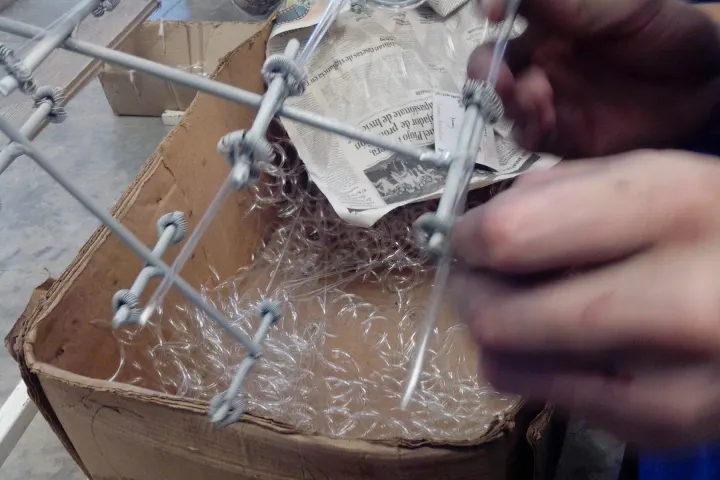
Choose Chignahuapan when the craft process is a central interest. A planned workshop visit can reveal the stages behind an ornament that otherwise looks like a simple souvenir. The historic centre adds the kiosk, parish and a religious stop at the basilica. These experiences can be connected on a town-focused day, leaving time to examine workmanship, talk about materials and have a local meal. They are especially rewarding when you are not racing a shopping coach.
Water creates another version of the visit, but it needs definition. The lagoon is an outdoor town setting; Tenextla’s thermal complex is a paid facility with its own pool and hotel arrangements. Neither is interchangeable with Quetzalapan waterfall. If warm-water relaxation is the reason for the trip, allocate a separate block rather than treating it as a quick stop after both towns. See the thermal-water guide for the choices that matter.
What makes Zacatlán different
Zacatlán’s identity includes clock-making, its floral clock, apple products and cider. The canyon edge and public artistic features create a different visual experience from Chignahuapan’s plaza and lagoon. A walking tour is useful here because it connects stories and places that can otherwise become isolated photo stops. The verified local products in our catalog begin in Zacatlán and are not transport packages from Mexico City or Puebla unless the selected option explicitly adds that service.
Regional attractions associated with Zacatlán also need their own geography. Tulimán and Valle de Piedras Encimadas are not substitutes for the town-centre walk and are not simply different names for Quetzalapan. A brochure can display several landscapes without including them in one ticket. First decide whether you want the town itself, a canyon viewpoint or an additional rural outing. The Zacatlán guide helps keep those decisions separate.
When a combined tour is the right choice
A two-town tour works for travellers who want an introduction without organizing multiple road connections. The Puebla products we verified vary in language, private or shared format, included admissions and stop sequence. Some include Quetzalapan as well as both towns; others emphasize the centres and ornament production. A longer attraction list does not automatically mean a better day. Compare the amount of time available for your priority with the amount spent moving between stops.
Choose a private format when your group needs a particular language, an adjusted pace or a stronger craft focus, but do not assume private means unlimited changes. The operator still has a route, vehicle limits and return arrangements. A shared departure may offer a simpler total price and a fixed sequence that suits visitors happy to sample. Ask whether there is free time for lunch and shopping so your expectations match the guide’s obligations to the group.
When one town deserves the whole day
Spend the day in Chignahuapan if you want to compare several ornament makers, take a carefully arranged demonstration and pack purchases properly. The same applies if thermal relaxation is the main aim: town sightseeing can be the supporting activity. A relaxed lunch, a basilica visit and a brief lagoon stop already create a varied day. Adding Zacatlán may reduce the craft or pool time that motivated the trip in the first place.
Give Zacatlán its own day if you want a guided walk, a long meal and a separate landscape excursion. Visitors with limited stamina may also prefer one centre with a clear vehicle drop-off to repeated boarding and walking in multiple towns. Your available energy is a more useful measure than the apparent short distance on a map. Our access planning guide focuses on the actual route and surfaces rather than generic destination labels.
Choose an overnight base by tomorrow’s plans
A Chignahuapan centre hotel puts town shopping and meals at the heart of the stay. A lagoon-side property emphasizes the setting; a Tenextla thermal hotel emphasizes its facilities. These choices are not equivalent even if a booking site groups them under one destination. Check how you will reach dinner, where your vehicle can stop and whether the next morning’s tour collects from that exact address. A countryside cabin can be appealing while requiring more transport.
Zacatlán accommodation suits a morning walking tour or a visit centred on its own town and surroundings. Our catalog labels Casa Grande and Casa San Miguel as Zacatlán properties deliberately: they should not be mistaken for hotels beside Chignahuapan’s plaza. If you intend to spend evenings in both towns, compare the benefit of moving hotels with the hassle of repacking. Often one carefully chosen base and one planned day trip is easier than changing rooms for a short stay.
Seasons and events do not share one calendar
Chignahuapan’s ornament trade can be visited outside December, and its Festival de la Luz y de la Vida has its own dated programme. Zacatlán has separate celebrations. The official 2026 announcements placed Chignahuapan’s festival from 30 October to 2 November, while Zacatlán’s Feria de los Muertos was announced for 23 October to 22 November. Those are different events and date ranges; neither establishes a future year’s schedule or daily performance timetable.
This distinction matters for reservations. A normal two-town day trip may finish before an evening event, and a hotel in the other town does not solve your late-night return. If an event is the purpose of the visit, secure the precise date, venue and transport first, then add daytime sightseeing around it. Read the festival planning guide rather than assuming a tour containing the destination name also contains the celebration.
A simple way to make the decision
Write down your top two experiences without using town names: seeing glass shaped, relaxing in thermal water, tasting cider, understanding clocks, walking a centre or taking in a canyon view. Then place each experience in its actual location and give it a realistic block of time. If the two priorities belong to different towns, a combined tour or overnight circuit can make sense. If both belong to one town, keep that town as the centre of gravity.
Use the one-day plan for a focused introduction and the three-day plan for a slower regional visit. The goal is not to declare a winner. It is to avoid paying for a route whose headline sounds comprehensive but spends too little time on what you care about. Two towns can complement each other very well when the craft, landscape, road journey and rest stops each have their own place.
The two towns side by side
Chignahuapan and Zacatlán are only about 15 km apart, roughly 25 to 30 minutes by road, which is why tours pair them so easily. Yet the figures behind each town point in different directions. Chignahuapan is the higher of the two, at about 2,280 metres, and its identity rests on water and glass. Zacatlán, at about 2,000 metres, built its reputation on apples, cider and clock-making: the Olvera family has made clocks there since 1909, and its clock museum opened in 1993.
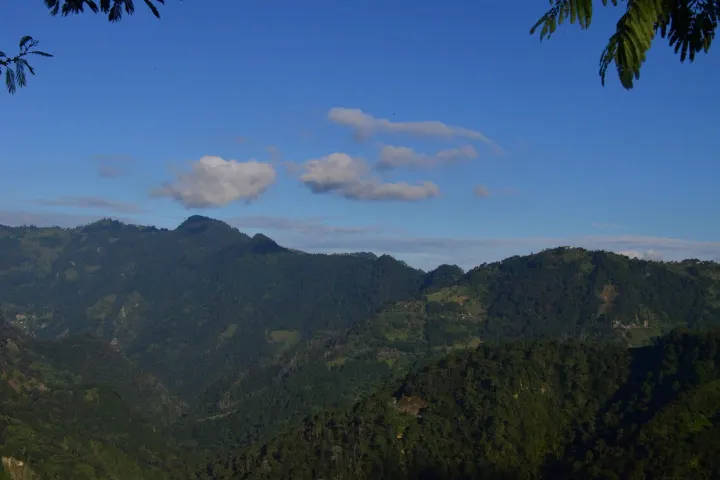
Landscape is the other big difference. Chignahuapan’s outdoor highlights are its spring-fed lagoon, the Salto de Quetzalapan and the thermal waters of Tenextla. Zacatlán sits on the edge of the Barranca de los Jilgueros, a gorge quoted at up to about 400 metres deep, and is the base for the Valle de Piedras Encimadas and the tall Tulimán waterfall. The table summarises the contrasts; check event dates each year.
↔ Swipe or scroll sideways to compare all columns.
| Aspect | Chignahuapan | Zacatlán |
|---|---|---|
| Pueblo Mágico since | 2012 | 2011 |
| Approximate altitude | 2,280 m | 2,000 m |
| Signature trade | Hand-blown glass Christmas ornaments | Clocks, apples and cider |
| Centre highlights | Wooden kiosk, Santiago Apóstol parish, basilica’s cedar image | Floral clock with two faces about 5 m across, clock museum, canyon viewpoints |
| Nature nearby | Laguna de Almoloya, Quetzalapan, Tenextla thermal waters | Barranca de los Jilgueros, Piedras Encimadas, Tulimán |
| Headline events | Luz y Vida (around 1–2 November) and the ornament fair (late November) | Feria de la Manzana (August, held since 1941) and a cider festival in November |
Which town suits which traveller
Most visitors do not need to choose one town for ever; they need to decide where to spend the larger share of a short trip. Think about who is travelling, how much walking they enjoy and whether the main memory should be glass, warm water, clocks or a canyon view. The pointers below are a starting point rather than rules, and the Zacatlán day guide explains how to give the second town a proper visit.
If you are travelling without a car, Chignahuapan has the more straightforward intercity bus connections from Mexico City’s TAPO terminal and from Puebla’s CAPU, according to route listings checked for this guide. Getting between the two towns is a short road hop by taxi or arranged driver; agree the fare before you set off, as explained in the local transport guide.
- Craft enthusiasts: base yourself in Chignahuapan and arrange a workshop demonstration.
- Families who want a swim: Chignahuapan, for the Tenextla thermal pools at 37–40 °C.
- Photographers and walkers: Zacatlán, for the Barranca de los Jilgueros and Piedras Encimadas, weather permitting.
- Food and drink lovers: split the day, with barbacoa and tlacoyos in Chignahuapan and cider and cheese bread in Zacatlán.
- Day of the Dead visitors: check both programmes, since Chignahuapan’s lagoon festival and Zacatlán’s Feria de los Muertos have separate dates.
Questions before you go
Which town is better for ornament shopping?
Chignahuapan is the relevant base for its documented glass-ornament production. Zacatlán’s distinctive associations include clocks, apples and cider.
Can I stay in Zacatlán and visit Chignahuapan?
Yes, with a planned road transfer. The hotel address and tour pickup need to be checked separately; a local walking tour in Zacatlán does not automatically include that transfer.
Does every combined tour include a waterfall?
No. Some verified products include Quetzalapan; others concentrate on town sights. Read the selected itinerary rather than inferring a waterfall stop from regional photographs.
Which is better for a slower visit?
Either can work when you limit the programme. Choose Chignahuapan for craft and thermal priorities, Zacatlán for its town and clock-and-cider interests, and select accommodation near the activities you want to do most.
How far apart are Chignahuapan and Zacatlán?
About 15 km, usually 25 to 30 minutes by road depending on traffic and weather. A taxi or arranged driver is the simplest link; agree the fare and pickup point beforehand.
Which town is colder?
Both are highland towns, but Chignahuapan is higher, at about 2,280 metres against roughly 2,000 metres in Zacatlán. Pack layers for evenings in either.
Sources & editorial notes
Our bibliography distinguishes official tourism descriptions, dated event announcements, craft-protection documents and provider listings. A source check is dated evidence, not a live opening-status guarantee.
- Secretaría de Turismo, México: Chignahuapan, Puebla ↗
- Secretaría de Turismo, México: Zacatlán, Puebla ↗
- Secretaría de Turismo, México: Chignahuapan espera 85 mil visitantes por el 30 aniversario del Festival de la Luz y de la Vida ↗
- Gobierno Municipal de Zacatlán: Actividades de la Feria de los Muertos 2026 ↗
- Wikipedia: Zacatlán ↗
- Wikipedia (es): Chignahuapan ↗
- Aguas Termales de Chignahuapan: Balneario: categorías, servicios y horario ↗