Sources checked 4 November 2026 · Check your selected date with the provider
Some links are affiliate links. We may earn a commission on qualifying bookings at no extra cost to you. This does not determine your price or guarantee availability.
Understand the two-town relationship
Chignahuapan and Zacatlán are distinct Sierra Norte towns often linked by day tours. A visitor already staying in Chignahuapan can arrange a local road journey to Zacatlán, but a local walking-tour ticket is not automatically that transfer. Give the driver the exact starting point and the walking tour’s meeting place. If you are joining a Puebla circuit instead, use its planned sequence rather than trying to layer an independent local tour onto the same schedule.
The main reason to combine them is contrast. Chignahuapan’s ornament production and thermal facilities are different from Zacatlán’s clock-making and apple-associated products. Choose the experiences that interest you rather than repeating a generic pattern of a square, a souvenir shop and a quick photo in each town. The comparison guide helps decide whether a combined introduction is enough or whether each town deserves its own day.
Begin with the centre and clock-making identity
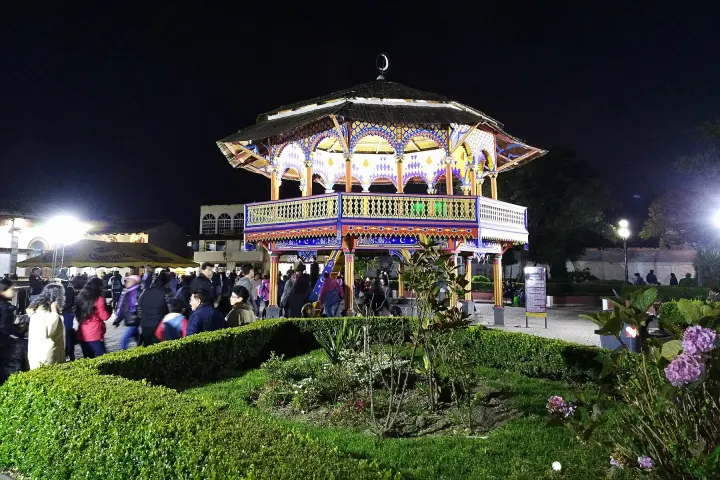
Official tourism information identifies Zacatlán with clocks, including its floral clock, and with a historic centre that rewards interpretation. A guided walk can connect landmarks and stories more effectively than visiting isolated pins on a map. Use the exact meeting instructions, because a recognizable landmark can still have several sides or nearby gathering points. Arrive with enough time to find the guide rather than treating a broad town-centre location as a precise appointment.
A clock-related stop or museum visit may be part of a regional tour, but not every local walk includes the same interior or production access. Read the selected itinerary and distinguish a landmark view from an admission or workshop experience. If clock-making is the main interest, ask specifically how it is covered. This is the same useful distinction made in Chignahuapan’s craft guide: a town association is not a guarantee that every stage of production is available to visitors.
Compare the two verified local walking tours
Mixtlaxotla Zacatlán Tours offers a verified three-hour Spanish-language downtown walking product beginning at the floral clock. Its description connects centre sights, canyon-side interests and local product tastings. Destinos Mágicos offers another three-hour local walk advertised in English, Spanish and French, with its own route and tasting details. Choose the actual language and product that fit your group rather than assuming every guide in the destination offers all languages.
The Destinos Mágicos listing mentions optional additions or transfers separately from the basic walk. A possible afternoon visit to Chignahuapan or another attraction should not be read as automatically included in the standard ticket. The two products also differ in their restrictions, including walking and stroller or mobility considerations. Ask the provider for the actual route if those details matter. A short duration does not necessarily mean a route is suitable for every traveller.
Give the canyon setting and public art context
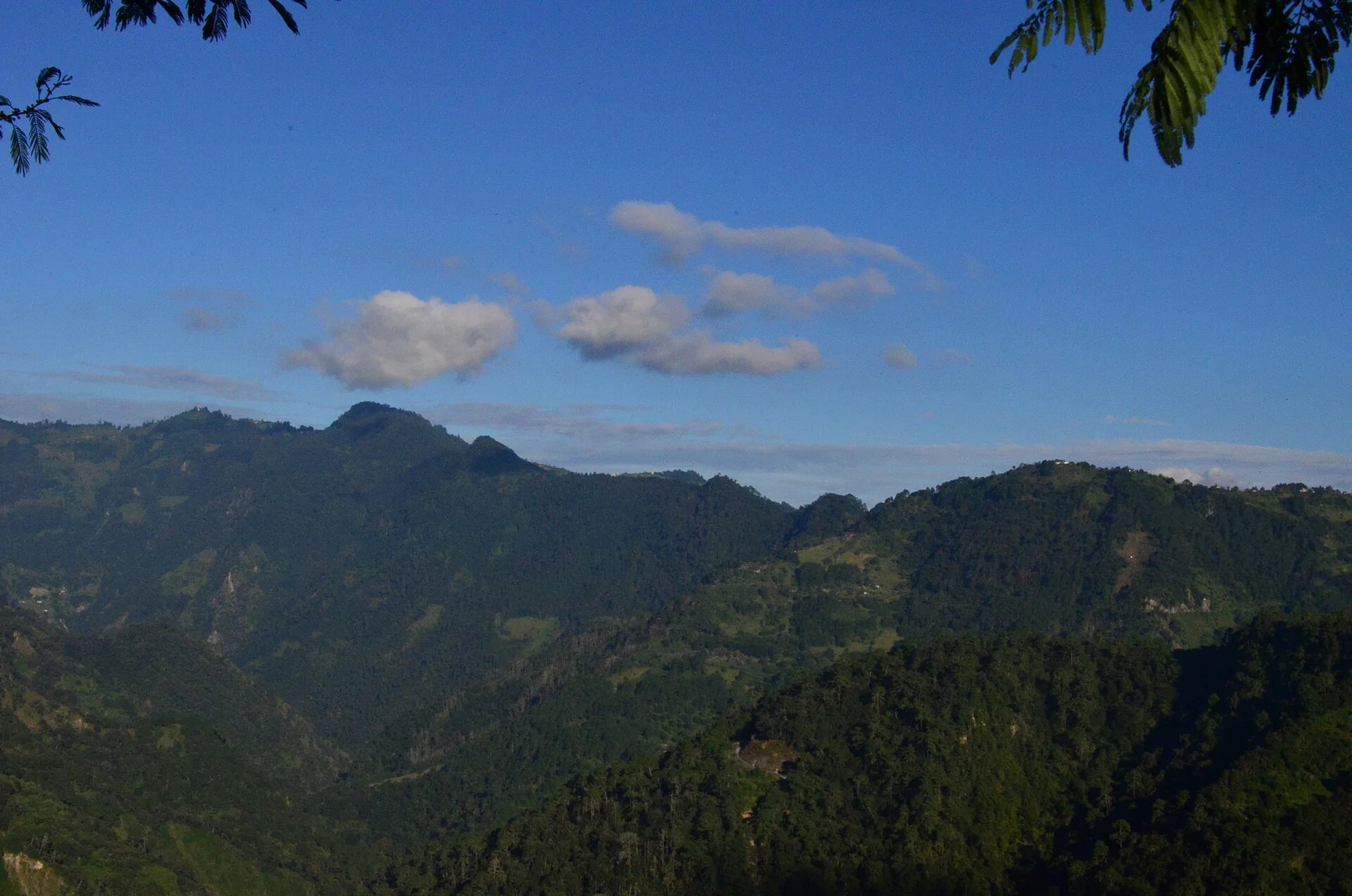
The Barranca de los Jilgueros is part of Zacatlán’s documented tourism identity, alongside viewpoints and artistic features that appear in local tour descriptions. Visibility changes with weather, so a canyon visit should not be sold to yourself as a guaranteed clear panorama. A guide can still explain the setting when conditions are different from a promotional photograph. Respect barriers and the intended visitor areas rather than trying to reproduce an image taken from an unknown position.
Ask how the chosen tour approaches the viewpoint and whether the route includes steps or uneven surfaces. A person who is comfortable walking around a square may have different needs on a longer route toward a canyon edge. If the view is the main purpose, keep some flexibility in the day instead of giving it the last five minutes before departure. The weather guide explains why the forecast and actual site conditions should be considered separately.
Apple products, cider and a proper meal
Zacatlán’s association with apples and cider gives the day a different food theme from Chignahuapan. A local tour may include a tasting, but check what the selected product actually provides and whether a purchase is optional. A cheese-bread or cider-related stop is not automatically a full lunch. Leave time for a meal that suits the group and ask about ingredients or alcohol-free alternatives when needed. A tasting should be an invitation, not pressure to consume or buy.
For take-home products, consider the remaining journey. Bottles, jars and pastries have different handling and storage needs, and glass drink containers should not share unprotected space with fragile ornaments. If travelling internationally later, check the relevant food and baggage rules for the actual items. The regional food guide keeps the two towns’ traditions distinct and explains why transport planning matters even for a small edible souvenir.
Treat Tulimán and Piedras Encimadas as separate choices
Official tourism descriptions associate Tulimán and Valle de Piedras Encimadas with the wider Zacatlán area, but neither is simply an extra block on a centre walk. Each needs current access information, road time and an activity plan. Do not confuse Tulimán with Quetzalapan or assume that a product showing a waterfall includes both. If a surrounding landscape is the day’s priority, reduce another part of the programme rather than adding it to an already full town visit.
This guide does not invent a combined all-attractions ticket, present opening hours for those separate sites or promise a particular hiking route. Use the responsible provider’s current information for a specific outing. The three-day itinerary provides more room for a regional choice, while the Quetzalapan guide explains that different waterfall near Chignahuapan. Keeping names and locations clear is one of the simplest ways to avoid buying the wrong experience.
Decide whether to return or stay in Zacatlán
If returning to Chignahuapan, agree the pickup point and time before starting the walk and leave room for a meal or optional browsing. Do not assume an immediate vehicle will be available whenever you finish. If continuing onward, solve the luggage arrangement so that you do not need an unnecessary return solely to collect bags. A local tour provider may offer a transfer as an extra, but that service should be quoted and confirmed separately.
Casa Grande and Casa San Miguel Hotel Boutique y Spa are verified Booking.com options in Zacatlán, included as regional bases rather than Chignahuapan centre hotels. They can make sense for an evening here or a route that continues from this town. The accommodation guide compares that choice with keeping one Chignahuapan base. A good Zacatlán day ends with the next movement already solved, leaving you free to enjoy the clocks, food and town at a reasonable pace.
Zacatlán at a glance: distances and highlights
Zacatlán, known in full as Zacatlán de las Manzanas, became a Pueblo Mágico in 2011, a year before Chignahuapan. It lies roughly 15 km from Chignahuapan, about 25 to 30 minutes by road, and sits a little lower, at about 2,000 metres. The floral clock on the main square has two faces about 5 metres across, driven by a single mechanism, and is the town’s best-known meeting point. Clock-making by the Olvera family dates back to 1909, and a museum dedicated to the founder opened in 1993.
The Barranca de los Jilgueros, near the community of Atmatla about 3 km from the centre, reaches depths of up to about 400 metres and includes the San Pedro waterfall, around 20 metres high. Further out, the Valle de Piedras Encimadas in San Miguel Tenango is about 25 km away, roughly 30 to 40 minutes by car, and the Tulimán waterfall, estimated at 250 to 300 metres, is about 40 minutes from town. Figures come from encyclopedia and tourism sources and should be treated as approximate.
↔ Swipe or scroll sideways to compare all columns.
| Place | Approximate distance or size | Time to allow |
|---|---|---|
| Floral clock and main square | Two clock faces about 5 m across | 30–60 minutes with the centre walk |
| Clock museum and workshop area | Clock-making tradition since 1909; museum opened 1993 | About 1 hour; check opening locally |
| Barranca de los Jilgueros | Up to about 400 m deep; near Atmatla, about 3 km | 1–2 hours including viewpoints |
| Valle de Piedras Encimadas | About 25 km; San Miguel Tenango | Half-day including the drive |
| Tulimán waterfall | Estimated 250–300 m; about 40 minutes away | Half-day; separate outing |
Festivals and the apple calendar
Zacatlán’s Feria de la Manzana has been held every August since 1941 and lasts about a week, drawing large crowds. A cider festival takes place in November, and the town produces around a million bottles of cider a year, according to encyclopedia figures. In 2026, the municipality announced its Feria de los Muertos from 23 October to 22 November, overlapping with Chignahuapan’s Luz y Vida dates.
These events make Zacatlán livelier but also busier. If you visit in August or November, book any room early and expect traffic on the short road between the two towns. Our two-town comparison helps you decide which town to sleep in.
- August – Feria de la Manzana (every year since 1941).
- Late October–November – Feria de los Muertos (23 Oct–22 Nov in 2026).
- November – cider festival.
- Year-round – floral clock, clock museum and canyon viewpoints.
Questions before you go
Do the local walking tours collect from Chignahuapan?
Not by default. They are Zacatlán walks with local meeting points. Any transfer must be explicitly included or purchased separately.
Is there an English-language local tour?
The verified Destinos Mágicos walking listing advertises English, Spanish and French. Select and confirm the language for your date.
Is Tulimán the same as Quetzalapan?
No. They are different waterfall outings. Read the exact site named in the itinerary.
Should I stay overnight in Zacatlán?
It can suit a longer town visit or onward route. For a short loop, keeping one Chignahuapan base may be simpler. Compare the actual transfers and luggage plan.
How far is Zacatlán from Chignahuapan?
About 15 km, roughly 25–30 minutes by road. Traffic can be heavier during festivals.
When is the apple fair?
The Feria de la Manzana is held every August and lasts about a week. Check the current year’s programme for exact dates.
Sources & editorial notes
Our bibliography distinguishes official tourism descriptions, dated event announcements, craft-protection documents and provider listings. A source check is dated evidence, not a live opening-status guarantee.
- Secretaría de Turismo, México: Zacatlán, Puebla ↗
- GetYourGuide / Mixtlaxotla Zacatlán Tours ↗
- Booking.com ↗
- Wikipedia: Zacatlán ↗
- Gobierno Municipal de Zacatlán: Actividades de la Feria de los Muertos 2026 ↗