Sources checked 4 November 2026 · Check your selected date with the provider
Some links are affiliate links. We may earn a commission on qualifying bookings at no extra cost to you. This does not determine your price or guarantee availability.
Why the craft belongs to this place
The official geographical-indication declaration for Esfera de Chignahuapan recognizes a defined product tradition associated with the municipality. Its description follows blown-glass pieces through shaping, finishing, decoration and assembly. That is more specific than saying the town sells Christmas decorations. A meaningful visit connects the object to the maker and process, and gives you a way to distinguish a locally made glass piece from other seasonal merchandise that may be sold alongside it.
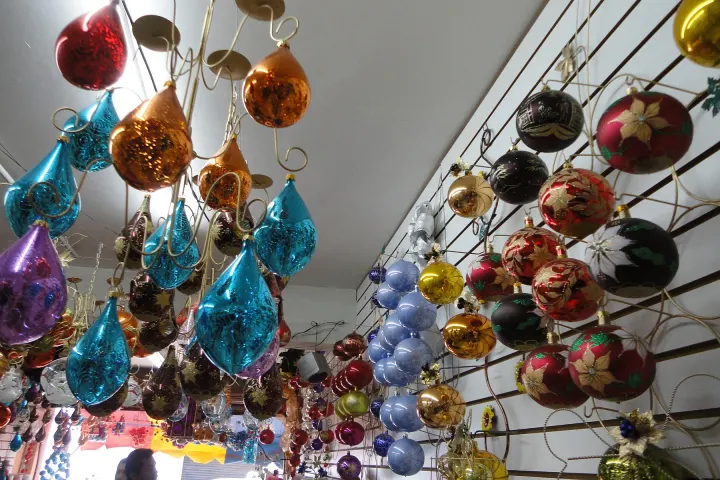
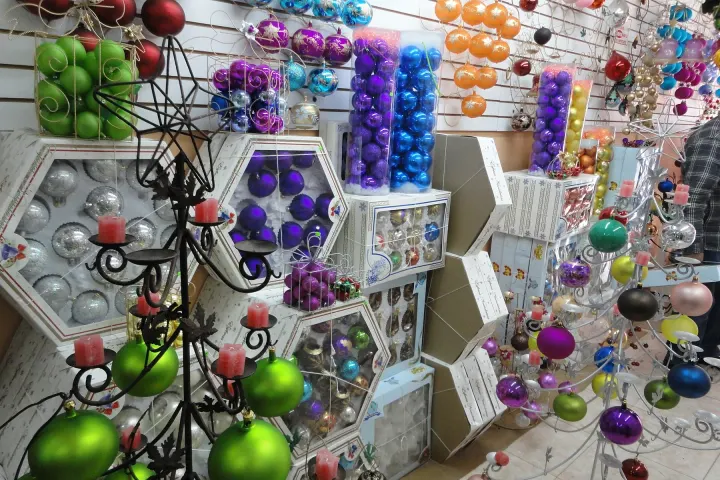
The designation does not prove that every shop is certified or that every item in a local display is handmade glass. El Castillo de la Esfera, for example, openly markets both glass and plastic products. Ask simple questions about the material and origin of the item you like. There is no need to treat a plastic decoration as a deception when it is correctly described; the important point is to know what you are buying and why its construction and price differ.
The production sequence to look for
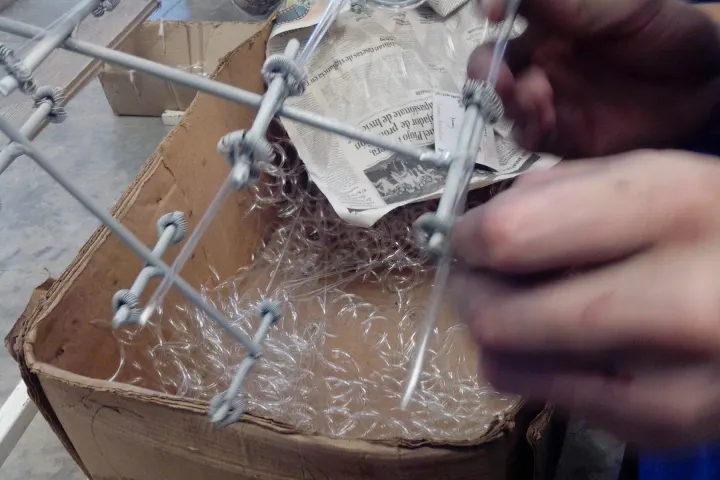
A useful explanation begins with how a glass tube becomes a hollow shape, whether shaped freely or with a mould. Reflective finishing, colour and decoration create different effects, and the neck and hanging hardware complete the ornament. Not every design uses the same finish or decorative method. Watching a single stage can be fascinating, but it is easier to appreciate when someone explains where it sits in the whole sequence rather than presenting it as the entire craft.
Use the process to guide your observations. Look at shape, the transition around the neck, painted or applied details and the way a cap supports the hanger. Handmade variation is not automatically a defect, while a cracked neck or damaged surface deserves attention before purchase. Avoid turning the visit into instructions for handling hot glass or chemicals: working production areas have their own safety boundaries. Visitors should observe from the area the business provides and follow staff directions.
Shop, factory visit, demonstration or class?
A shop visit primarily gives you access to merchandise. A factory visit may include a viewing area and an explanation of production, but not every work station will necessarily be active. A scheduled demonstration is a specific visitor experience. A hands-on decorating session, when offered, is another product again and may involve a prepared ornament rather than glass-blowing. Those distinctions matter because tour descriptions often use “factory” or “workshop” more broadly than travellers expect.
Before booking, ask what you will see, how long the visit normally takes, which language is available and whether any activity or ornament is included. If a tour only promises shopping, do not assume it includes instruction. If a retailer offers a production window, do not assume visitors can enter the work area. The Puebla tour comparison identifies products that mention ornament visits, while the exact selected option should settle the form of that visit.
Two real businesses to investigate
El Castillo de la Esfera provides a visitor channel through its own website and describes viewing areas and guided visits. It is a useful starting point when you want to ask directly about the production experience rather than arrive with only a shop address. Check the appointment process and the type of visit offered for your group. Its range includes different materials, so use the catalog and staff explanation to identify the glass pieces that interest you.
Esferas Campanita is another real ornament business, with a published contact address on Boulevard Gustavo Díaz Ordaz. A contact address establishes where to enquire; it does not automatically establish a drop-in demonstration timetable. Ask whether the experience you want is available at that location or requires another arrangement. These examples are starting points for a focused visit, not a claim that only two makers matter. Leave time to discover other retailers and compare workmanship without inventing a ranking of workshops we have not inspected.
Make the visit work for children and access needs
A viewing window can let children see the process without approaching equipment, but the height of the view and the length of the explanation still affect the experience. Ask whether there is a suitable place for younger visitors and whether a decorating activity has an age requirement. Keep bags and loose clothing out of work areas and let staff decide where the group stands. A parent’s interest in a demonstration does not remove the need to supervise a child around fragile stock.
For a visitor using a mobility aid, request the actual route from vehicle drop-off to the viewing and shop areas, including steps and toilets. A factory can have a level retail floor but a different route to its production view. If a guide will interpret, establish whether the group can pause comfortably rather than stand for a long explanation. The access guide helps turn these needs into a precise request; the family guide covers the wider day’s pacing.
Photograph respectfully and shop thoughtfully
Ask about photography before pointing a camera into a working area. A business may permit visitor photos in one area and restrict them elsewhere, and permission at one workshop does not apply to every maker. Avoid blocking viewing windows or photographing staff closely without agreement. If you want to remember a piece before comparing shops, ask whether a quick product photo is acceptable. Respecting those boundaries helps keep the visit centred on the craft rather than treating the workplace as an unrestricted set.
When purchasing, compare like with like: material, size, decoration, number of pieces and packaging. Ask whether an unusual shape needs a separate compartment and whether spare hanging hardware is appropriate. Large purchases may need more time to assemble and pack than a tour stop allows. Tell the seller when your vehicle leaves before starting a complex order. The packing guide explains how to make the final purchase compatible with a bus, car or later flight.
Build a craft day around learning rather than store count
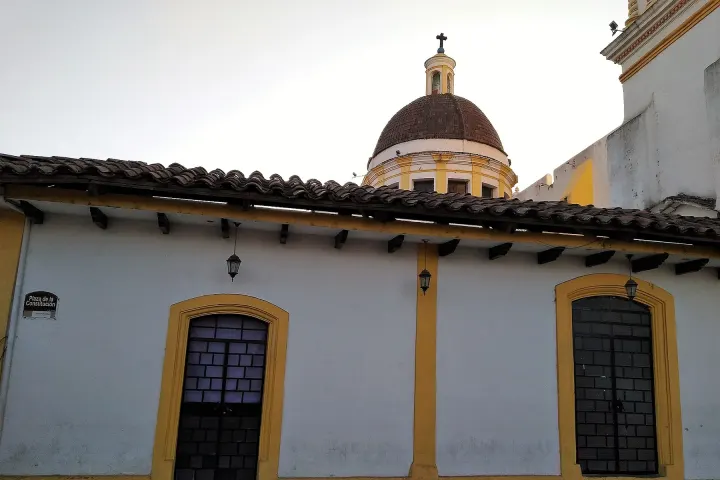
One well-arranged demonstration followed by a thoughtful purchase can offer more than several hurried factory-shop stops. Pair it with the historic centre and a meal so the craft remains part of a town visit rather than the entire town becoming a shopping aisle. If you have an overnight stay, use the first afternoon to browse and the following morning for the confirmed production visit. That creates time to decide without buying under departure pressure.
Ornament production is not limited to the weeks before Christmas; official cultural material describes year-round work. Visitor arrangements and visible stages still vary, so a quieter date does not guarantee that every demonstration is running. The seasonal shopping guide separates production from peak retail atmosphere, while the one-day guide offers a craft-focused route. The best souvenir is a piece you understand, can carry safely and will want to bring out again.
The seven stages named in the official declaration
The geographical-indication declaration for the Esfera de Chignahuapan, signed by Mexico’s industrial-property institute (IMPI) on 13 December 2024, sets out the production sequence in useful detail. It starts with choosing a neutral-glass tube of the right gauge for the size of ornament, then shaping it with gas torches, traditionally by free blowing or with clay moulds. A silver-nitrate mixture is swirled inside to give the mirror finish; the declaration notes that industrial metallising is a substitute process, not the artisanal one.
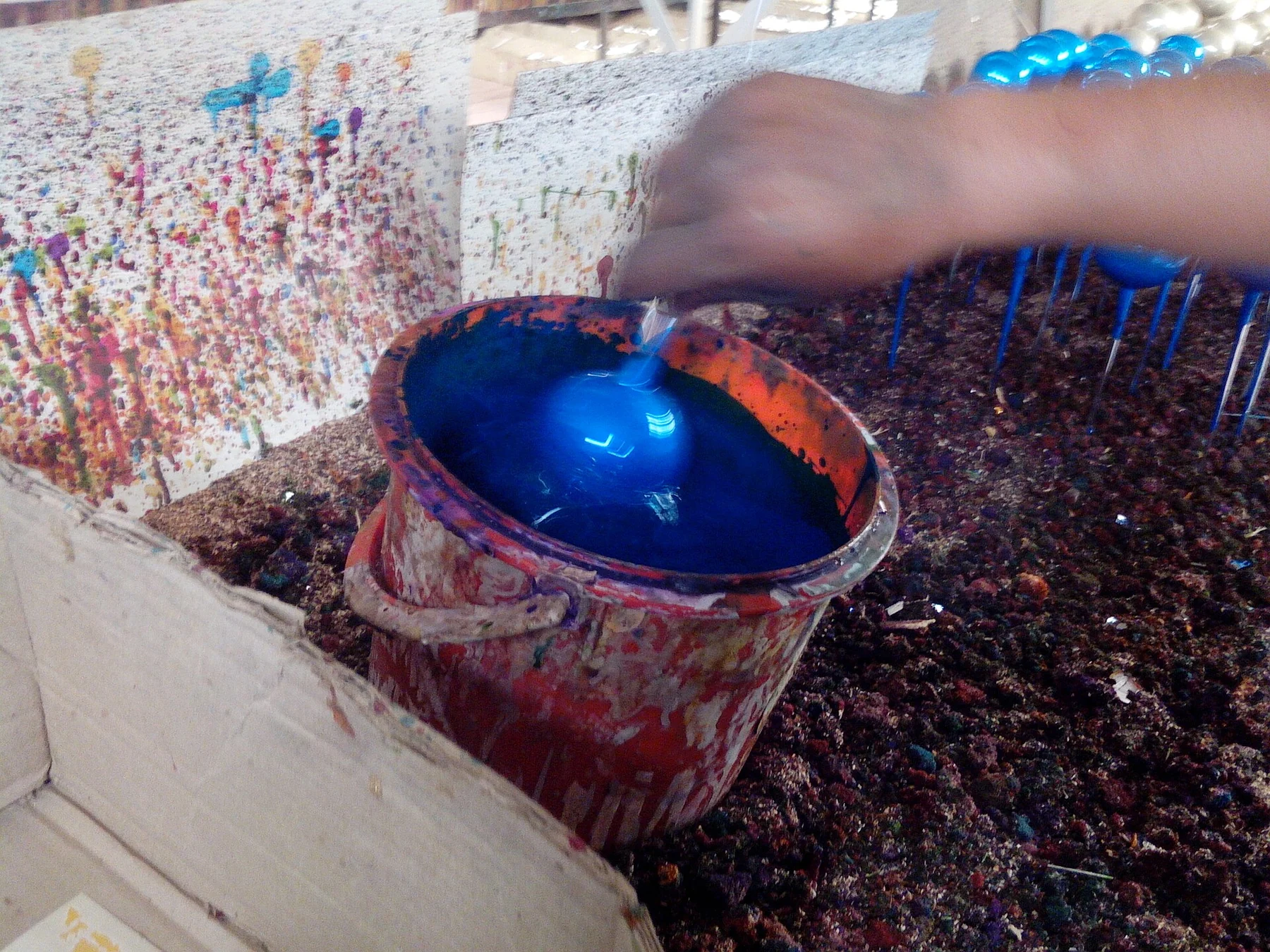
The silvered piece is then dipped in paint and dried on sawdust, decorated by hand with brushwork or glue and glitter, trimmed of the stem that held it during work, and finally capped with the metal cap and wire hanger. Knowing these names helps you understand what a demonstration is showing you. A visit that shows only hand-painting is still worthwhile, but it is one stage of seven rather than the whole craft. Ask which stages you will see before you travel.
↔ Swipe or scroll sideways to compare all columns.
| Stage (Spanish term) | What happens | What to look for as a visitor |
|---|---|---|
| Tube selection | A glass tube of suitable gauge is chosen for the ornament size | Stacks of tubes and the range of sizes on offer |
| Soplado / globeo | The tube is heated with gas torches and blown, freely or in a clay mould | The speed of shaping and how evenly the wall forms |
| Plateado | A silver-nitrate solution is swirled inside to create the mirror finish | The change from clear to reflective glass |
| Pintura | Pieces are dipped in paint and dried on sawdust | Racks of drying ornaments in solid colours |
| Decoración | Motifs are hand-painted; glue and glitter may be added | Fine brushwork and how long each design takes |
| Descoletado | The stem that held the piece is cut away | A clean edge around the neck |
| Encasquillado | The cap and wire hanger are fitted | A firm cap that does not wobble |
How a small town became an ornament capital
Local accounts link the start of Chignahuapan’s esfera trade to glass-blowing knowledge that arrived from Tlalpujahua, Michoacán, the other Mexican town famous for blown-glass ornaments, and date it to roughly the 1960s. From one early workshop the trade spread through family businesses. Mexico’s federal tourism profile counts more than 200 factories and workshops, while magazine features cite figures in the hundreds; counts vary because many producers are small family operations.
That scale explains what you see on the streets: large factory showrooms near the main roads and modest family workshops in residential blocks. Production runs all year, and in the weeks before Christmas the centre fills with buyers and a monumental Christmas tree. If you want a calm demonstration, a weekday outside late November and December is usually easier to arrange, though no workshop schedule is guaranteed. Combine the visit with the historic centre for context.
- Ask whether the business makes its own glass pieces or decorates blanks made elsewhere.
- Ask which of the seven stages are visible on your date.
- Ask whether an explanation in English is available or whether you should bring a guide.
- Ask whether personalised names or designs can be painted, and how long that takes.
Questions before you go
Can I blow glass during a workshop visit?
Do not assume so. A production view or demonstration is not a hands-on glass-blowing class. Ask the business what visitor activity, if any, is offered.
Are all local ornaments made from glass?
No. Real local businesses also sell plastic decorations and other products. Ask about the material and origin of the specific item.
Can I visit outside the Christmas season?
Ornament-making is a year-round craft. A particular visitor demonstration or appointment still needs to be arranged for your date.
Does the geographical indication certify every shop?
No. The official declaration identifies a protected product tradition and area. It is not proof that every retailer or every object in town has the same status.
When was the geographical indication granted?
IMPI signed the declaration protecting the Esfera de Chignahuapan on 13 December 2024. It covers the municipality of Chignahuapan and describes the artisanal process.
How many workshops are there?
The federal tourism profile counts more than 200 factories and workshops; other sources cite several hundred family workshops. Treat any exact number as an estimate.
Sources & editorial notes
Our bibliography distinguishes official tourism descriptions, dated event announcements, craft-protection documents and provider listings. A source check is dated evidence, not a live opening-status guarantee.
- Diario Oficial / Secretaría de Gobernación: Declaración de protección de la Indicación Geográfica Esfera de Chignahuapan ↗
- Instituto Nacional de Antropología e Historia: Esferas, la colorida magia del vidrio soplado ↗
- El Castillo de la Esfera: Fábrica y visitas ↗
- Esferas Campanita: Contacto y colección ↗
- México Desconocido: Así nacen las esferas en Chignahuapan ↗
- Secretaría de Turismo, México: Chignahuapan, Puebla ↗
- Wikipedia (es): Chignahuapan ↗